
Wudang is a comprehensive system of Tai Chi developed by renowned Hong Kong master Cheng Tin Hung. Rooted in traditional internal martial arts, this system emphasizes practical application, internal strength, and health benefits. The Practical Tai Chi Chuan system was introduced to Europe by two of Cheng Tin Hung’s foremost disciples — Dan Docherty and Ian Cameron — both of whom became influential instructors in the United Kingdom and helped spread the art across the Western world.
In the United States, Dr. Dennis Dilday of Everett, Washington, is a direct student in this lineage. Inspired by the depth and authenticity of the system, Dr. Dilday traveled to the United Kingdom to train under Dan Docherty. Through years of dedicated study and practice, he became recognized as a qualified instructor and is currently the only U.S.-based registered instructor listed on the Practical Tai Chi Chuan International (PTCCI) website.
Often referred to as “Practical Tai Chi”, the Wudang system gained this name from Chinese martial arts journalists in Hong Kong during Cheng Tin Hung’s era. The term reflects the style’s focus on realistic self-defense applications, distinguishing it from Tai Chi practiced solely for health or meditative purposes. Today, Wudang Tai Chi continues to be respected for its balance of martial effectiveness, internal cultivation, and promotion of physical and mental well-being. Practical Tai Chi Chuan International continues to promote and practice the Tai Chi cultivated by Dan Docherty.
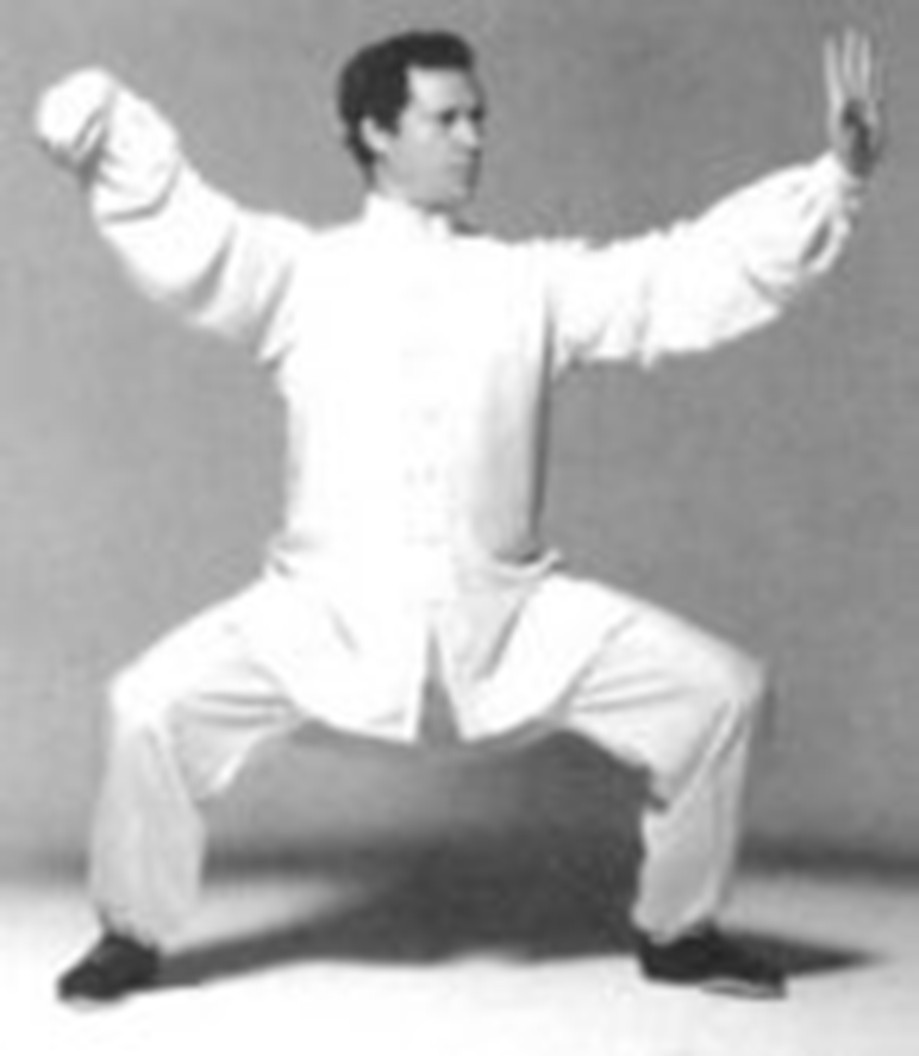
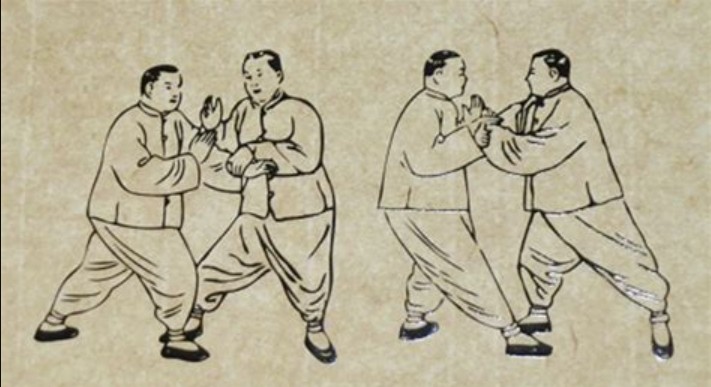
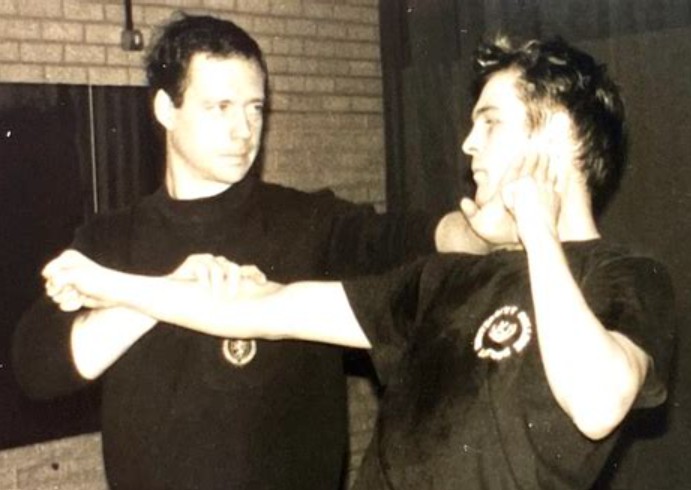
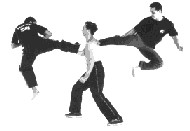
Note: Beginners often begin with Hand Form, Pushing Hands, and Applications. Mastery of each deepens understanding and connection between the body and mind.